Guide
Personalised and experience gifts
When a named toy or a day out fits a child better than another boxed trend. Where to look, and why this page does not invent a product.
Pictures
Toy box
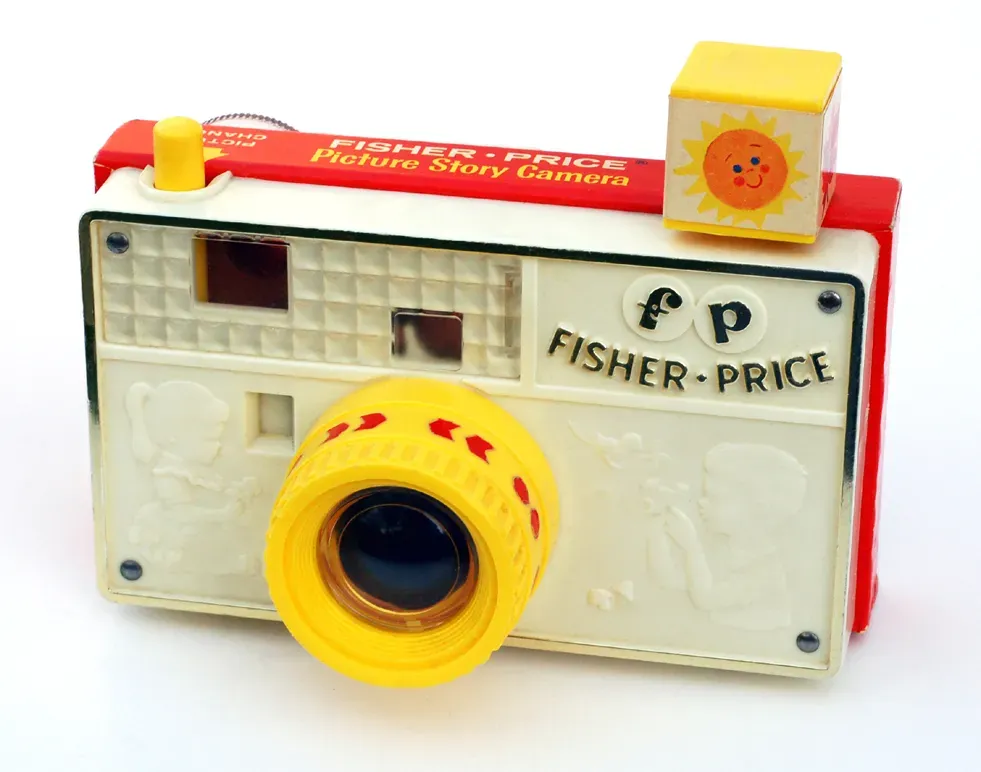
Commons photos of this kind of toy. They are examples, not the exact item a shop button opens.
Example of a Fisher-Price toy. Photo: Barbieapologist / Wikimedia Commons, CC0 Example of a Fisher-Price toy. Photo: cyanide45 from Anola, Canada / Wikimedia Commons, CC BY 2.0 Example of a Fisher-Price toy. Photo: SqueakyMarmot from Vancouver, Canada / Wikimedia Commons, CC BY 2.0 Example of a Fisher-Price toy. Photo: Studio Alijn / Wikimedia Commons, CC0 Example of a building bricks. Photo: Jeangagnon / Wikimedia Commons, CC BY-SA 3.0 Example of a building bricks. Photo: Jeangagnon / Wikimedia Commons, CC BY-SA 3.0 Example of a DUPLO set. Photo: Klasbricks at English Wikipedia / Wikimedia Commons, Public domain Example of a DUPLO set. Photo: Toxophilus / Wikimedia Commons, CC BY-SA 4.0 Example of a DUPLO set. Photo: Toxophilus / Wikimedia Commons, CC BY-SA 4.0 Example of a DUPLO set. Photo: Priwo / Wikimedia Commons, Public domain Example of a DUPLO set. Photo: Christian Ursilva from København, Danmark / Wikimedia Commons, CC BY-SA 4.0


These are editorial picks, not test results. We have not tested the toys. A name on a Christmas list is not a reason to ignore the age label on the box.
DreamToys 2026: the official list, explained. Check the age label on the box.
Some children have enough toys. The tenth action figure is storage. A book with their name in it, or a morning at a place they like, can be the present they talk about. This page does not pretend those are one Amazon search. The product changes with the retailer, and an experience is a ticket you buy from the organiser.
We are not affiliated with the sites below. They are category doors so you can see what exists. Read the age, the date and the cancellation terms on the page you pay.
Personalised, kept small
A named book, a simple bag, or a height chart is enough. Personalised plastic with a battery is still a toy with an age label, plus a delay because it is made to order. Check the dispatch date on the retailer’s page before you treat it as a Christmas Eve solution. The last-minute page is the logistics version of that warning.
Look at the maker’s or retailer’s own category, not a copy of their photo:
- LEGO if the “personal” gift is actually a set they asked for. The age is on the set. Our LEGO by age page explains the systems.
- A bookshop’s own children’s section, bought as a book, not as a gadget. One named inscription is plenty.
Skip personalised items with long cords, buttons that come off, or an age mark older than the child. The printing does not make it safer.
Experiences
Buy the ticket from the place that runs the day. A zoo, a theatre, a swimming pool, or a pottery session publishes its own ages and dates. If the page does not say the age, ask them. Do not guess from a voucher shop’s thumbnail.
A voucher for “something in this city” is only a gift if it can be used without a car you do not have, on a day you can actually go. Put the date in the diary when you buy it. An unused voucher in March is a lecture, not a memory.
Pair it with a small physical thing they can open, from the stocking guide or the quiet toys page, so Christmas morning is not only an envelope. The envelope can still be the main present. Say that. Children can like a plan when they know it is the plan.
The Christmas gifts page is the rest of the household: one main gift, a shared game, a small stocking. An experience can be the main gift. It should not also be a huge toy, unless you meant to do both and the budget is real.
We do not print prices for these, because the ticket price is on the day you book. Check it there.
How to tell which kind of child you have
If they list places, people and “can we go”, they are telling you the present is an experience. If they sleep with a named toy and ask for another, they still want an object. Do both only if you meant to. A ticket plus a huge boxed toy is two main presents. The Christmas page asks you to pick one main thing.
Personalised is easy to get slightly wrong. The name spelled as you think, not as they use it. A character they liked in July. A huge cushion when they wanted a book. Order early enough to check the proof. If the shop will not show you the spelling before it makes the thing, use a pen and a book you already own. The inscription can be your handwriting. That is still personal.
Experiences need the boring details. Who is the adult going with them. How you get there. What happens if they are ill. The organiser’s cancellation line is the part to read, not the photograph of a happy child who is not yours. If the session is for ages eight and up and your child is six, it is the wrong session. There is not a personality exception.
A good envelope present still has something in the hand. A printed ticket, a map, a snack for the journey, a small related book. The stocking guide can supply the small thing. Keep it small so the day out remains the point.
If you are tempted by a personalised electronic toy because the listing says their name can be recorded, read the age and the battery door. A recorded name does not change a small part. The baby page is the refusal list for the youngest. The LEGO page is the better “made for them” gift when what they wanted was a set, not a mug.
We are not a booking site. The links above are so you leave this page and read the organiser. That is the present being taken seriously.
If the experience is the main gift, tell the child what they are opening before they tear the envelope, if they are old enough to be disappointed by paper. “This is a day at the pool with me, in January, and this is the towel for it.” The towel is the object. The day is the present. Younger children still need the object to be the whole story. Use the age guides for them, and save the ticket for a year they can look forward to a date.
Questions worth asking first
Why are there no product cards?
A name printed on a mug is a different product at every retailer, and the useful link is that retailer's category, not a search that pretends they are one toy. Experiences are tickets. Buy them from the organiser.
Is a day out a cop-out?
No, if the child would rather go than open another box. It is a cop-out if you booked something you wanted and they are scared of it.